

Angels in Scripture & Worship
How the angels appear throughout Scripture and in the liturgical life of the Church.
From the opening pages of Scripture to the final vision of the Apocalypse, the holy angels are present. They are not decorative figures in the biblical story. They are living participants in the work of God.
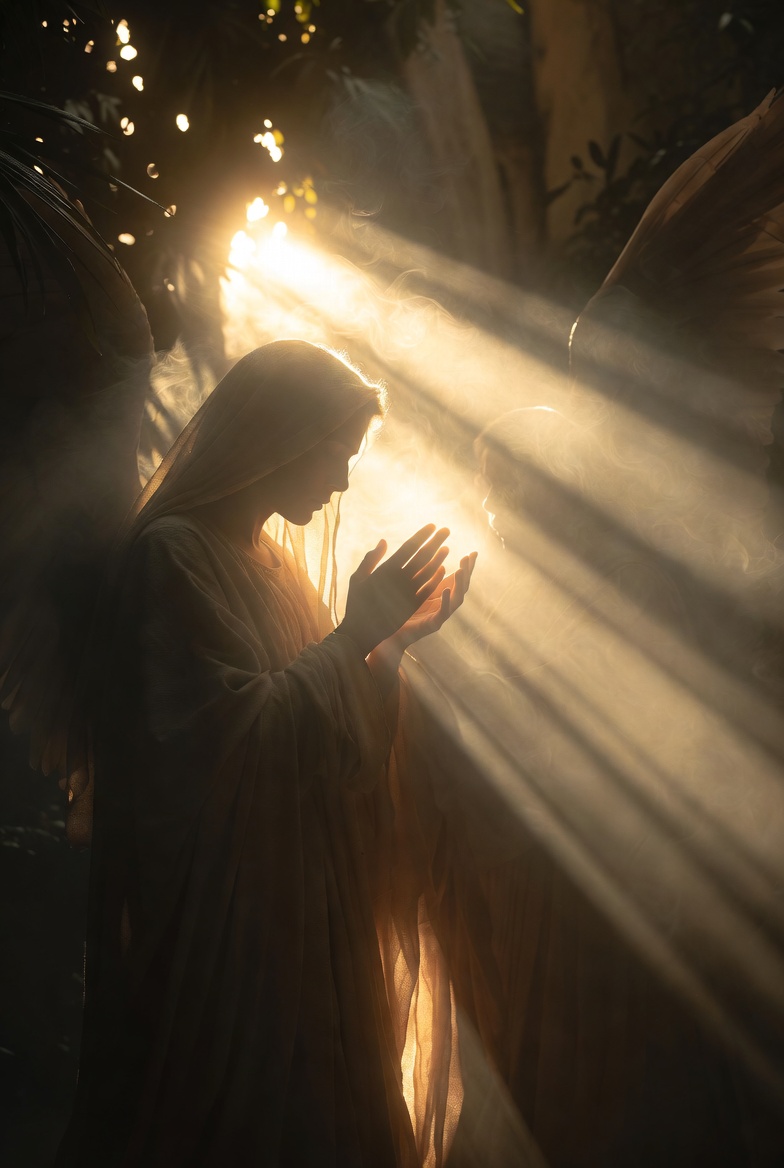
An angel guards the way to the Tree of Life after the Fall. Angels visit Abraham and Lot. The Archangel Gabriel announces the birth of John the Forerunner and, most wonderfully, the Incarnation of the Son of God to the Virgin Mary. Angels minister to Christ after His temptation in the wilderness and strengthen Him in Gethsemane. At the empty tomb it is an angel who proclaims the Resurrection. Throughout the Acts of the Apostles, angels continue to guide, deliver, and encourage the early Church.
Scripture shows us that the angels are deeply involved in the history of salvation. They rejoice over one sinner who repents. They carry the prayers of the saints before the throne of God. They will accompany Christ at His second coming.
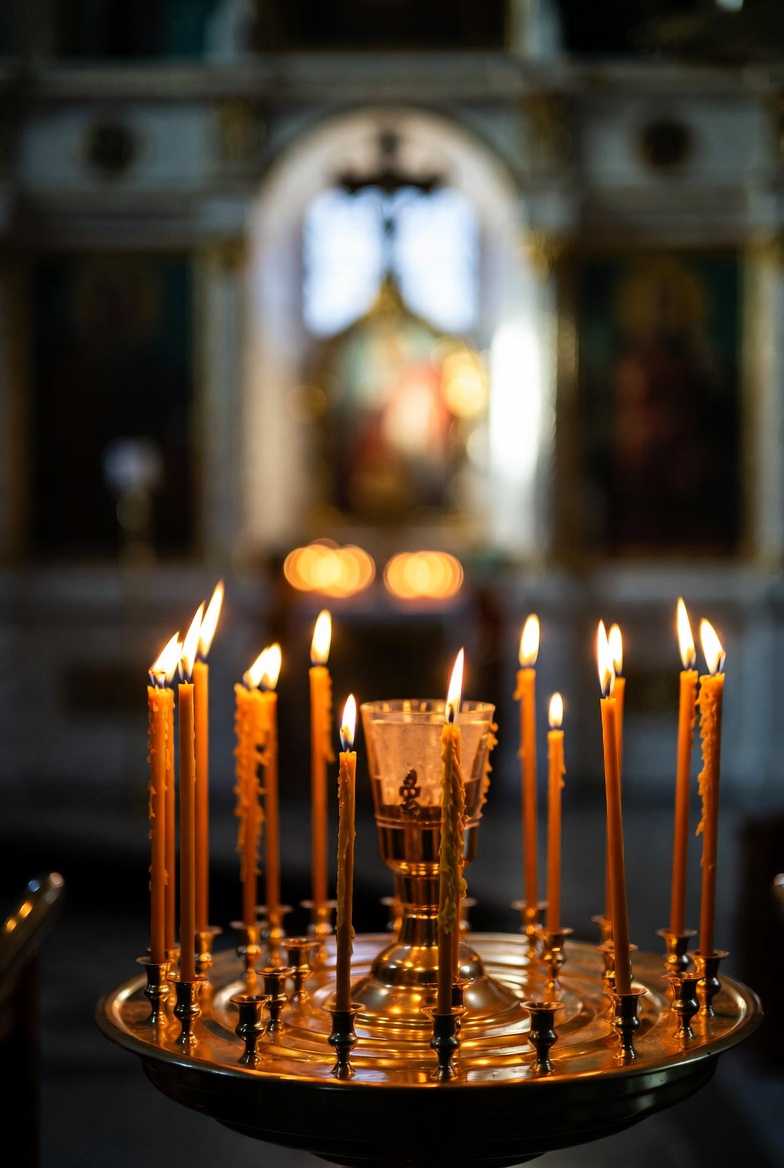
This same presence continues in the worship of the Church. In every Divine Liturgy we confess that we are joining the angels in their endless praise. We sing the Cherubic Hymn, preparing to receive the King of all who comes escorted by the angelic hosts. We join the Seraphim in the thrice-holy hymn: “Holy, Holy, Holy, Lord of Sabaoth; heaven and earth are full of Your glory.”
The icons of the angels in our churches are not merely artistic decoration. They are a reminder that the liturgy is not something we perform alone. The Church on earth and the Church in heaven are united in a single act of worship. When we stand in the Divine Liturgy, we stand among the angels.
To remember the angels in Scripture and in worship is to remember that the Christian life is lived in a much larger company than we can see. We are surrounded by a great cloud of witnesses — both the saints and the holy angels — who share in the same love and the same praise of the Holy Trinity.