

The Liturgical Year
The rhythm of feasts and fasts that shapes the spiritual life of the Church.
The Orthodox Church does not live by the ordinary calendar alone. She lives by a sacred rhythm — the liturgical year — in which the saving events of Christ’s life, the memory of the saints, and the seasons of fasting and feasting shape the days and weeks of the faithful.
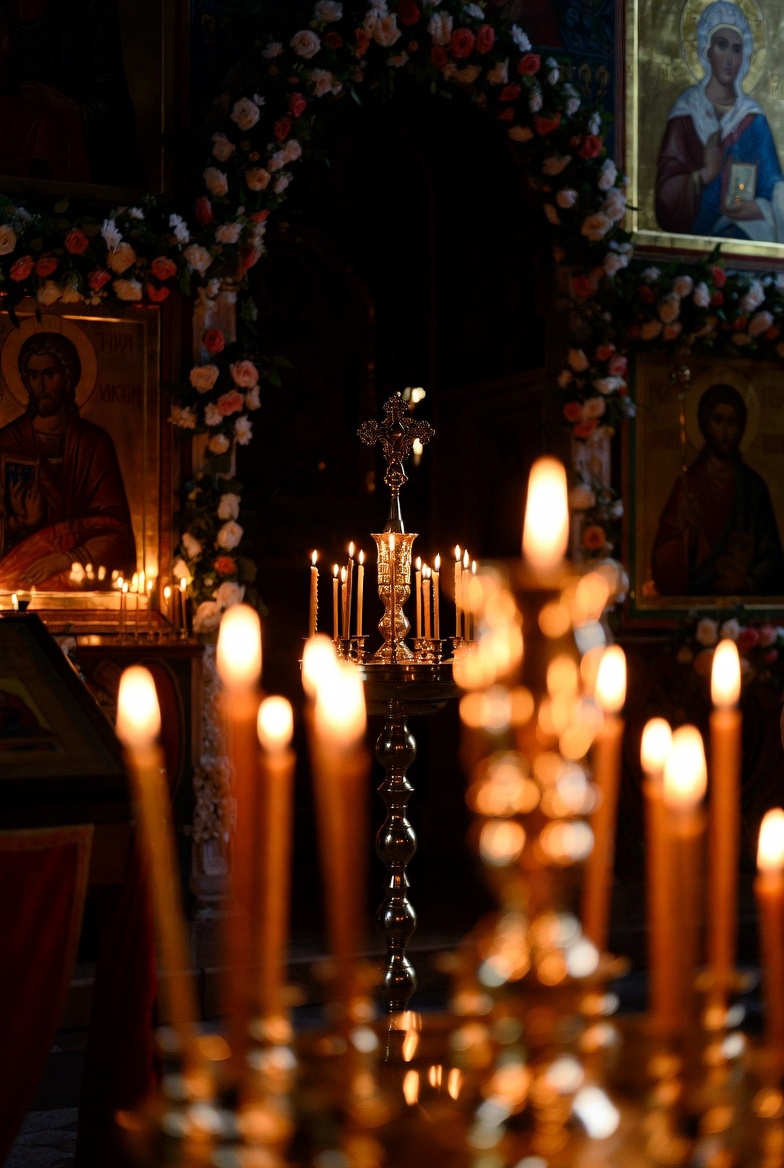
At the heart of the year stands the cycle of the great feasts: the Nativity of Christ, Theophany, the Annunciation, the Transfiguration, the Dormition of the Theotokos, and above all Pascha — the Feast of Feasts — with its long preparation in Great Lent and its radiant after-feast of the Resurrection.
These are not simply anniversaries. In the liturgical life of the Church we do not merely remember what happened long ago. We enter into the mystery itself. At Nativity, Christ is born. At Theophany, the Trinity is revealed. At Pascha, we die and rise with Him. Sacred time makes the past present and draws us into the eternal.
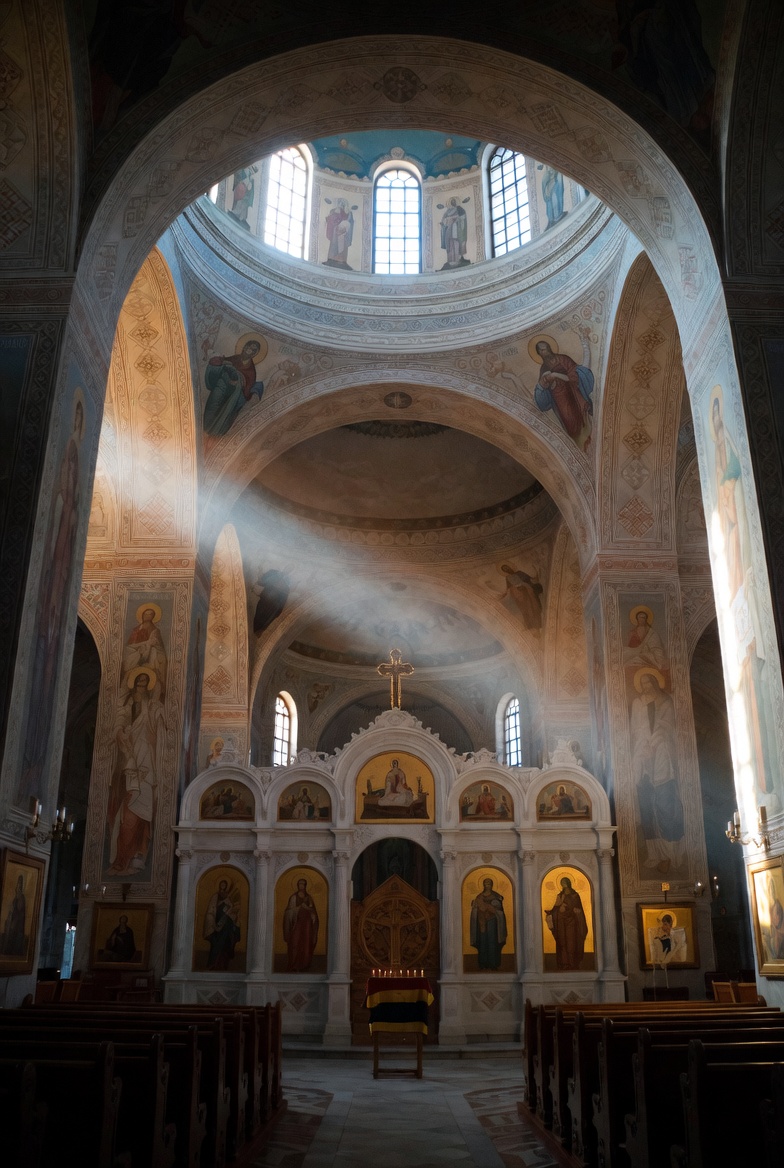
Alongside the feasts are the fasts. Great Lent, the Apostles’ Fast, the Dormition Fast, and the Nativity Fast are not punishments. They are seasons of return — times when the Church calls us to greater prayer, simplicity, and repentance so that our hearts may be ready for the joy that is coming.
Every week also has its own rhythm. Wednesday and Friday are traditionally days of fasting, remembering the betrayal and the Crucifixion. Sunday is always the day of the Resurrection, a weekly Pascha. In this way even ordinary time is marked by the Cross and the empty tomb.
To live the liturgical year is to allow the life of Christ to shape the shape of our own days. Over time the feasts and fasts become familiar companions. They teach us when to prepare, when to rejoice, when to be still, and when to give thanks. They turn the passing of time into a path of salvation.